
Texas continues to capture attention as one of the fastest-growing states in the nation, and this growth is shaping land markets and development strategies across the Lone Star State. In 2025, the landscape is defined by resilience in rural land sales, pro-development legislative reforms, and shifting land use priorities.
Land Market Trends: Resilience Amid Slower Sales
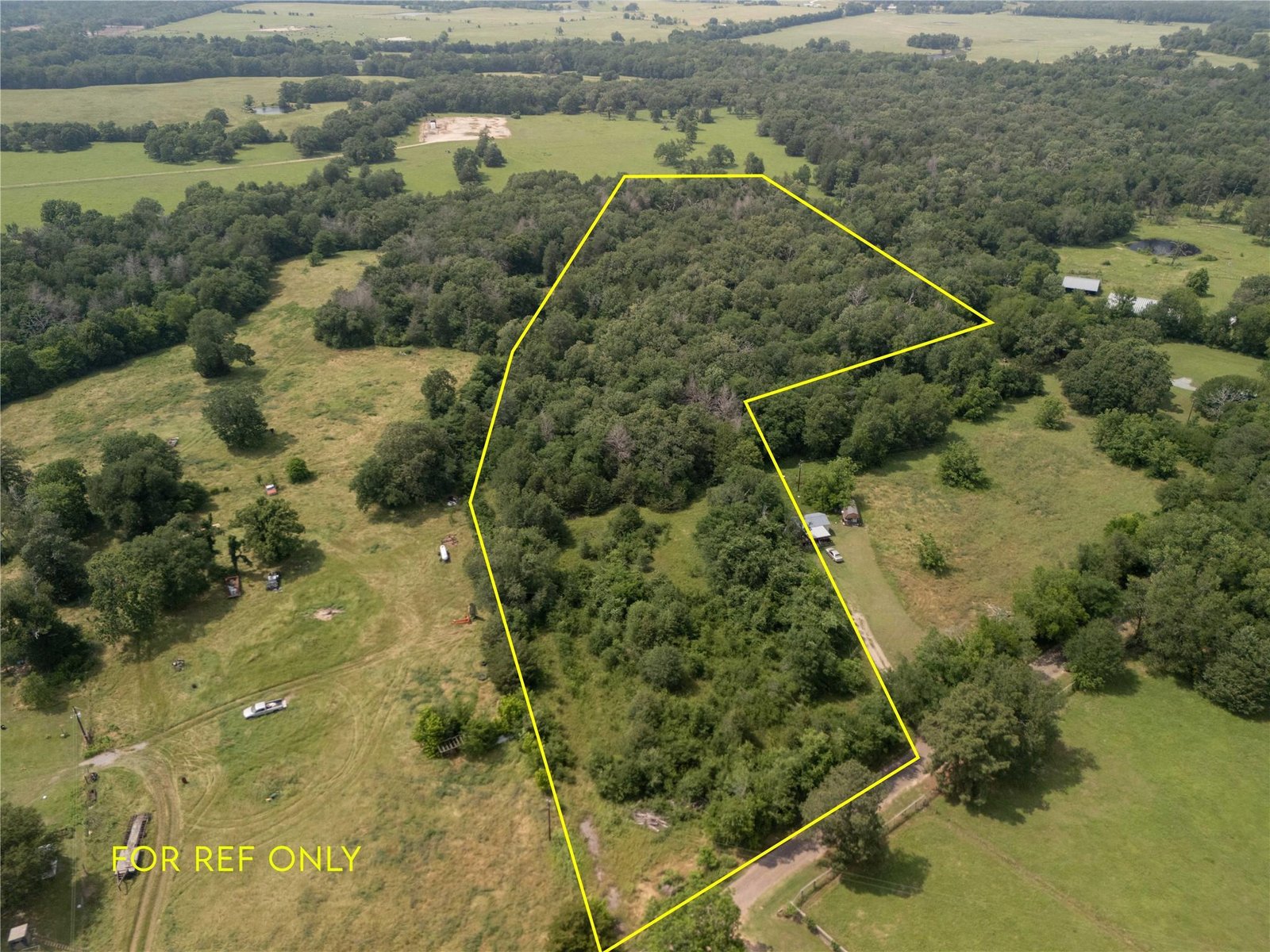
According to the Texas Real Estate Research Center, rural land markets remain stable despite a decline in overall sales volume. While fewer transactions are closing compared to the peak years of 2021–2022, total acreage sold has stayed strong. This indicates continued demand for large tracts of land, especially in regions where buyers seek opportunities for agriculture, recreation, and long-term development.
Prices per acre have held firm, with some regions reporting year-over-year gains of more than 4 percent. This steady appreciation defies earlier concerns of sharp price drops, demonstrating the long-term appeal of Texas landownership.
Legislative Reforms Boost Development Opportunities
Texas lawmakers have taken bold steps to address housing affordability and supply. Senate Bills 15 and 840, passed in 2025, are reshaping development opportunities by:
- Reducing minimum lot sizes.
- Relaxing density restrictions for single-family homes.
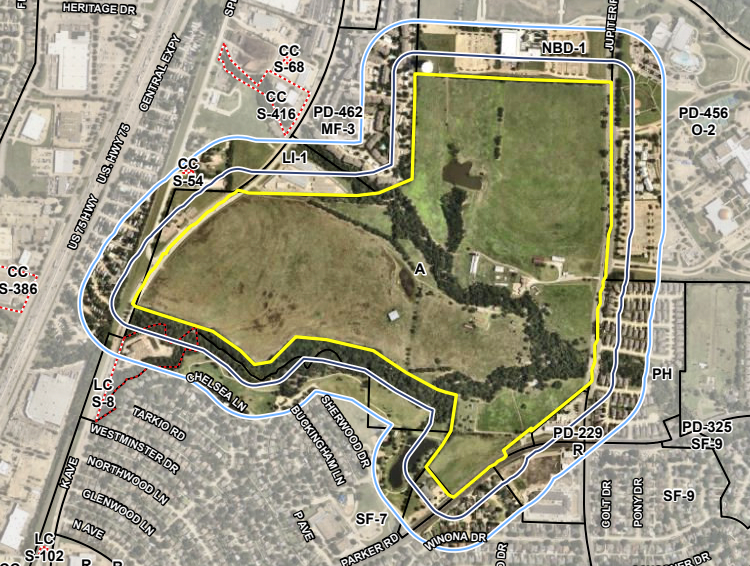
- Expanding by-right approvals for mixed-use and multi-family projects.
- Removing excessive parking and bulk requirements in many cities.
For developers, these reforms mean faster approvals, lower barriers, and more flexibility to respond to population growth in metropolitan areas.
Environmental and Land Use Shifts
Data from Texas Land Trends highlights how working lands are under increasing pressure from fragmentation, suburban expansion, and population growth. Agricultural operations continue to evolve, while conservation initiatives are gaining traction. Balancing land preservation with urban expansion is becoming a key driver of policy and investment decisions.
These shifts are particularly visible in fast-growing corridors around Austin, Dallas-Fort Worth, Houston, and San Antonio, where rural acreage is being converted into residential and mixed-use communities.
Outlook: A Market in Transition
The Texas land and development market in 2025 reflects both opportunity and caution. Sustained demand, supportive legislation, and a dynamic population create strong fundamentals. Yet, higher interest rates and shifting economic signals continue to temper buying activity.
For landowners, investors, and developers, staying informed about these changes is critical to making strategic decisions. As Texas continues to grow, the balance between development, affordability, and conservation will shape the future of the state’s land markets.